How Far Have You Gone With Vegetarianism?
Hi there, this is ReyB :)

As a proud meat lover, I used to think vegetarian diets were something for “other people” in far-off places.
Every time I get a health check-up, though… it’s the same story:
"Time to eat salads for a month," "Let’s cut back on meat," "Say hello to veggies…"
I try to build a veggie-packed meal plan—only to give up a few days in.
But for a long, healthy life, maybe it's time to take a break from meat and start showing veggies some love!
That’s when I came across the word Flexitarian — and it instantly clicked!
Ever Heard of the Flexitarian Diet?
It’s where plant-based eating meets flexibility.
The whole world is buzzing about the plant-based diet trend—
So why not explore it together with ReyB?
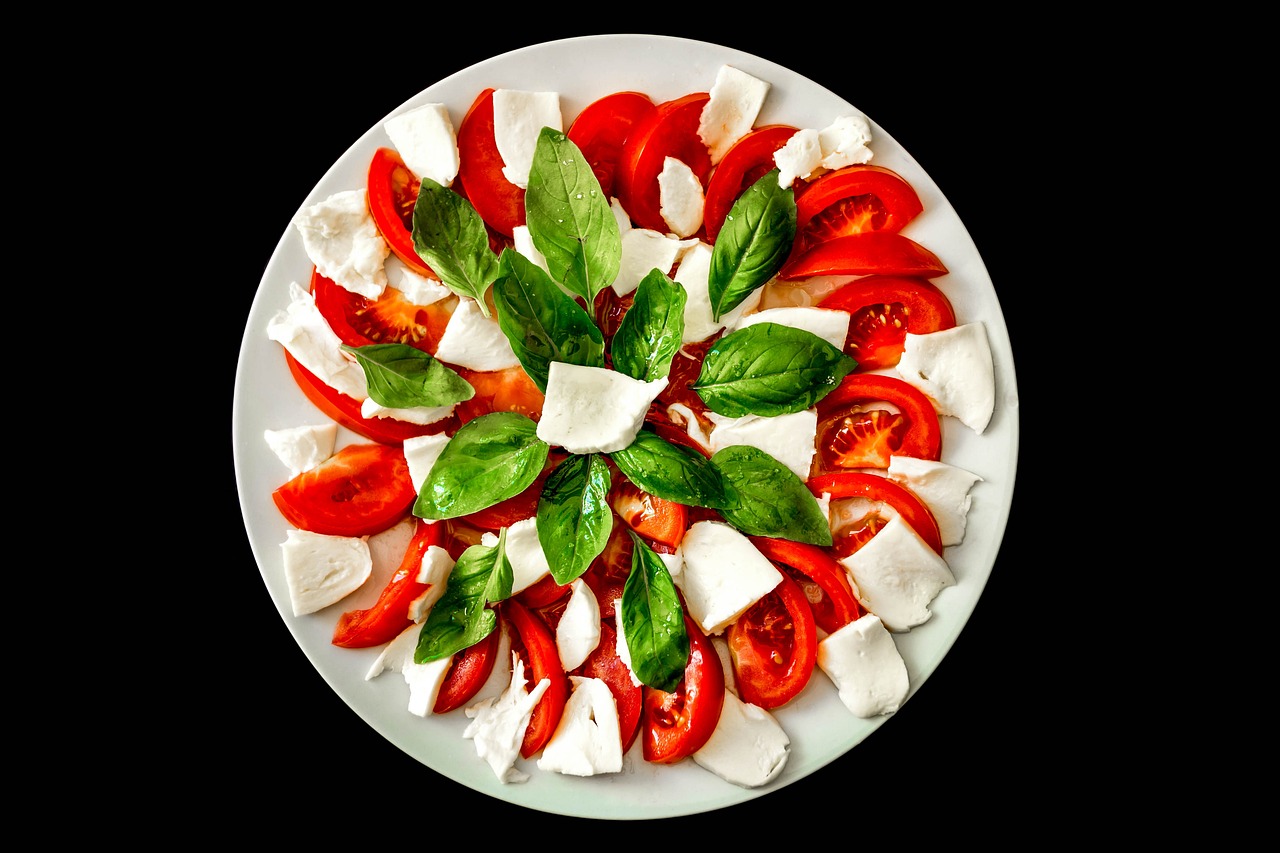
Why Is Everyone Obsessed with Plant-Based Diets?
Where health, the planet, and ethics are all on the menu!
✔️ A plant-based diet is known to support heart health, prevent diabetes, and even help with weight loss
✔️ It helps reduce carbon emissions and water usage, making it eco-friendly
✔️ It aligns with animal welfare and ethical consumption, which more and more people care about
But here’s the best part...
The biggest advantage of going Flexitarian?
It’s way more approachable than full-on vegetarianism.
It’s being celebrated as the most realistic and sustainable eating style right now!
Even ReyB thinks…
“If it’s Flexitarian, I might actually be able to try it! (Excited but nervous!)
So, What Is a Flexitarian Diet?
At its core, it's mostly plant-based —
But it allows occasional meat and fish depending on the situation.
Because let’s be honest… meat is still love!
Flexitarian = Flexible + Vegetarian
And that’s the beauty of it.
It’s not about banning meat completely —
It’s about making mindful, plant-forward choices.
You get the benefits of vegetarianism
with the flexibility to keep it real.
Why Go Plant-Based (Even Partially)?
- Reduces visceral fat & inflammation
Lighter than meat, packed with antioxidants - Improves gut health & immunity
Fiber-rich foods support a thriving microbiome - Boosts skin glow & condition
Thanks to plant-based omega-3s and vitamins A & E - Lowers your carbon footprint
Meat production is resource-heavy — plants are gentler on the earth - Supports ethical consumption
Every plant-based meal is a step toward a kinder world
Flexitarian in Action: Easy & Real-Life Tips!
Ready to ease into a plant-forward lifestyle?
Here are some practical tips to start your flexitarian journey today!
- Go meat-free 1–2 days a week
Try "Meatless Mondays" or choose any day that works for you! - Increase plant-based proteins
Load up on tofu, chickpeas, lentils, tempeh, and edamame. - Try meat alternatives
From plant-based burgers to nuggets — there are so many tasty options now. - Snack smart with plant-based picks
Think nuts, dried fruits, granola, hummus & veggie sticks. - Explore vegan recipes online
Social media is full of creative, easy, and delicious plant-based dishes!
But Wait—Nutritional Caution!
As you lean into a more plant-heavy diet, don’t forget to watch out for key nutrients that are easy to miss.
Vitamin B12
- Why it matters: Supports nerve function & red blood cell formation
- How to get it: Nutritional yeast, fortified plant milk, or supplements
- Recommended intake: 2.4 mcg/day (adults)
Iron
- Why it matters: Vital for oxygen transport & energy metabolism
- Plant sources: Spinach, lentils, quinoa, dark chocolate
- Absorption tip: Pair with Vitamin C (like citrus or bell peppers)
Omega-3 Fatty Acids
- Why it matters: Supports brain health & reduces inflammation
- Plant sources: Flaxseeds, chia seeds, walnuts, algae oil
- Recommended intake: 2–3 servings/week (or fatty fish alternatives)
Zinc
- Why it matters: Boosts immunity & helps with wound healing
- Plant sources: Pumpkin seeds, sesame, lentils, brown rice
- Absorption tip: Combine with fermented foods for better uptake
The Key to a Balanced Flexitarian Plate
Follow the 50–25–25 Rule for every meal:
- 🥦 50% Vegetables & Fruits
Colorful and diverse — eat the rainbow! - 🌾 25% Whole Grains
Think brown rice, quinoa, oats, barley - 🫘 25% Protein
Beans, legumes, nuts, seeds — and occasionally lean meat or fish
What Happens to Your Body After 6+ Months on a Flexitarian Lifestyle?
Sticking with a flexitarian lifestyle for just half a year can bring about real changes — here’s what many experience:
- Increased Energy Levels
Say goodbye to afternoon crashes — hello sustained focus and vitality! - Improved Digestion
Constipation eases, and that bloated belly? It starts to flatten out. - Better Skin
Fewer breakouts, brighter tone — your skin starts to glow from within. - Deeper Sleep
Fall asleep faster, stay asleep longer, and wake up more refreshed. - Mental Satisfaction
Feel proud of making a positive impact on your health and the planet.
Ready to Begin?
Why not start today?
Being a flexitarian isn’t just a trend — it’s a smart, sustainable lifestyle choice for both your body and the Earth.
What makes it so appealing?
It’s okay not to be perfect.
This plant-forward path offers flexibility and comfort, while still making real change.
Start small. Start real.
One meat-free day a week can become the start of something bigger.
Before you know it, you’ll feel stronger, lighter, and more connected — to yourself and the world around you.

Hello, Flexitarian Life. 🌱
Let’s take that first step toward a healthier you —
And a greener planet.
Goodbye, meat.

# # # # # # # #


