Perfect Doesn’t Have to Be the Goal!
– A Little Gift of Time for Yourself
The biggest reason the flexitarian diet is HOT right now?
It’s a sustainable way of eating that focuses on plant-based foods,
while still allowing the occasional meat or animal product without the pressure of going 100% vegetarian.
A truly sustainable way to eat!
If you’d like, I can also turn this into a magazine-style, catchy English blog intro so it flows like a lifestyle article. Would you like me to do that?
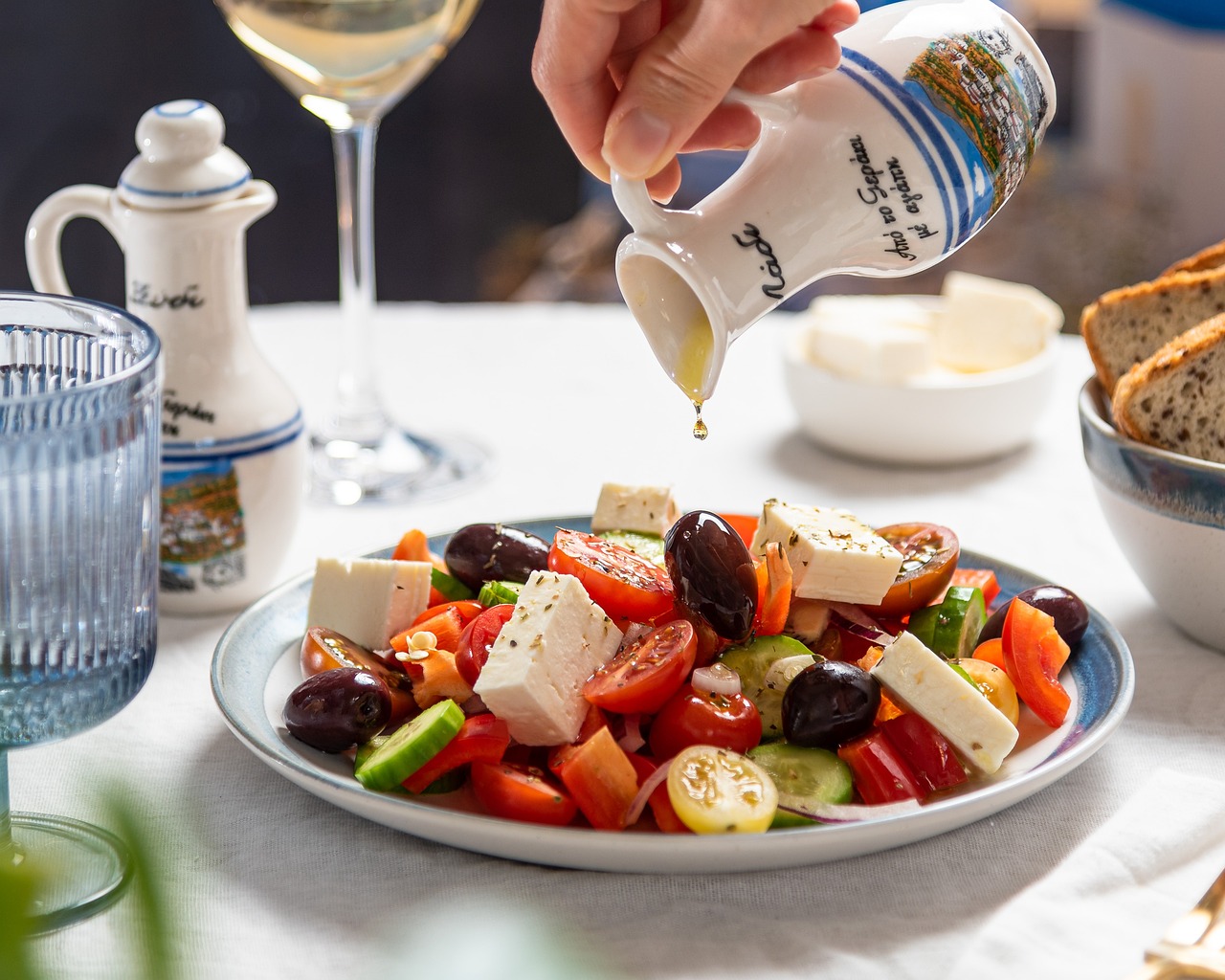
Today’s Flexitarian Diet, Part Two!!
Shall we build a plant-based meal plan together?
Hello, this is ReyB.

These days, the core of a healthy lifestyle that modern people pursue is sustainability!
The Flexitarian Diet — a way of eating that cares for both your health and the environment — is now becoming the new standard for sustainable wellness.
Today, shall we join ReyB in exploring a plant-based menu and try creating a doable flexitarian meal plan together?
The Heart of the Flexitarian Diet
The word Flexitarian is a blend of “Flexible” and “Vegetarian.”
It’s an eating style that focuses primarily on plant-based foods, while occasionally including meat or other animal products in a balanced and flexible way.
Basic Principles of a Flexitarian Diet
- Make 70–80% of your meals plant-based
- Limit animal protein to 2–3 times per week
- Minimize processed foods and choose whole, natural ingredients
- Prioritize locally grown produce
Comparison: Vegan vs. Flexitarian vs. Standard Diet
| Category | Vegan Diet | Flexitarian Diet | Standard Diet |
| Plant-Based Ratio | 100% | 70–80% | 30–50% |
| Animal Protein | 0% | 20–30% | 50–70% |
| Difficulty Level | Hard | Moderate | Easy |
| Nutritional Balance | Needs caution | Excellent | Risk of imbalance |
| Environmental Impact | Minimal | Low | High |
Scientific Health Benefits of a Plant-Based Diet
1. Cardiovascular Health Improvement
Cholesterol Level Enhancement
According to a large-scale meta-analysis published in 2024, participants who followed a flexitarian diet for more than six months showed:
- LDL cholesterol: ↓ 23% on average
- Total cholesterol: ↓ 18% on average
- Blood pressure: Systolic ↓ 8 mmHg, Diastolic ↓ 5 mmHg
- Cardiovascular disease risk: ↓ 32%
2. Weight Management & Metabolic Health Boost
Natural Weight Loss Effect
The plant-forward flexitarian diet promotes natural weight loss due to its high dietary fiber content and low caloric density.
Key metabolic improvements:
- Weight reduction: Average loss of 2.3 kg in 3 months
- Visceral fat reduction: Waist circumference ↓ 4.2 cm on average
- Improved insulin sensitivity: Fasting blood sugar ↓ 12%
- Reduced inflammation: C-reactive protein (CRP) ↓ 28%
3. Gut Health & Microbiome Enhancement
Increased Gut Microbial Diversity
A diverse intake of plant-based foods significantly improves the ecosystem of gut microbiota.
- Increase in beneficial bacteria: Bifidobacterium ↑ 40%
- Higher short-chain fatty acid production: Butyrate ↑ 35%
- Stronger gut barrier function: Improved intestinal permeability
- Enhanced immunity: Activation of gut-associated immune cells
A Beginner’s Step-by-Step Guide to Starting a Flexitarian Diet
Step 1: Try Vegetarian Meals Once a Week (Weeks 1–2)
- Start with Meat-Free Mondays
- Begin with simple vegetarian dishes: stir-fried tofu, vegetable bibimbap
- Get familiar with plant-based protein sources
Step 2: Expand to 2–3 Vegetarian Days a Week (Weeks 3–4)
- Switch your breakfast to a plant-based meal
- Opt for nuts, oats, and fruit as your morning staples
- Replace snacks with fresh fruit or mixed nuts
Step 3: Transition to a Full Flexitarian Diet (After Week 5)
- Maintain a plant-based diet 4–5 days per week
- Reserve animal protein for weekends or special occasions
- Master a variety of plant-based recipes
Plant-Based Protein Sources
Reducing animal protein means you should focus on high-quality plant proteins — especially those that provide complete protein.
High-Protein Plant Foods (Protein per 100g):
- Quinoa – 14.1g (Complete protein)
- Lentils – 9.0g
- Black beans – 8.9g
- Almonds – 21.2g
- Chia seeds – 17.8g
- Tofu – 8.1g
- Tempeh – 19.0g
Starting Today!
1-Week Flexitarian Menu
Monday – 100% Plant-Based
- Breakfast: Oatmeal + berries + almonds
- Lunch: Quinoa salad + avocado
- Dinner: Lentil curry + brown rice
Tuesday – 100% Plant-Based
- Breakfast: Green smoothie + chia seeds
- Lunch: Tofu steak + roasted vegetables
- Dinner: Black bean tacos + guacamole
Wednesday – 100% Plant-Based
- Breakfast: Banana pancakes (plant-based milk)
- Lunch: Hummus wrap + vegetables
- Dinner: Mushroom risotto
Thursday – 100% Plant-Based
- Breakfast: Plant-based yogurt bowl + mixed nuts
- Lunch: Rice noodles + vegetable toppings
- Dinner: Eggplant parmigiana
Friday – Includes Fish
- Breakfast: Avocado toast
- Lunch: Salmon salad
- Dinner: Grilled vegetables + brown rice
Saturday – Includes Chicken
- Breakfast: Fruit smoothie
- Lunch: Grilled chicken salad
- Dinner: Roasted vegetables
Sunday – 100% Plant-Based
- Breakfast: Chia pudding + fruit
- Lunch: Veggie burger + sweet potato fries
- Dinner: Vegetable pasta

The comforting thought that you don’t have to give up meat completely!
That’s why ReyB has decided to take on the flexitarian diet challenge.
A flexitarian lifestyle is not only sustainable for your health but also mindful of the environment.
Shall we take a small first step together?
Today, I’m choosing salad over meat!

#Wellness #Vegetarian #Vegan #PlantProtein #Flexitarian #PlantBasedDiet #SustainableHealth #VegetarianChallenge
'Health N Beauty' 카테고리의 다른 글
| Healthy Aging – A Longevity Gene-Activating Diet Starting in Your 30s (3) | 2025.08.12 |
|---|---|
| How to Start a Vegan Keto Diet_and Actually Enjoy It! (3) | 2025.08.11 |
| Silent Walking Therapy: The Ultimate Digital Detox for Your Mind This Friday (2) | 2025.08.09 |
| No More Sugar Spikes – A Smarter Way to Eat for Diabetes (5) | 2025.08.08 |
| Clean Beauty: When Glowing Skin Meets a Greener Planet (6) | 2025.08.06 |


